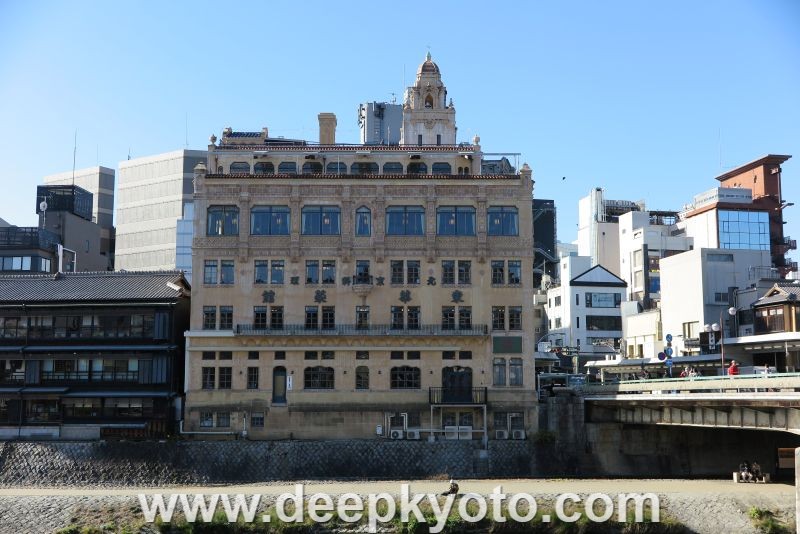
I’ve written before about the prolific American architect William Merrell Vories who was active throughout Japan (but particularly in the western Kansai region) in the early 20th century. He is said to have built up to 1,600 buildings over a 35 year career, and many of his buildings are still standing today. One of the best known of these in Kyoto is probably the Tohkasaikan (東華菜館), a rather ornate building that houses a Chinese restaurant (and Japan’s oldest working elevator apparently), which has been standing proudly above Shijo Bridge since 1926.
Today I want to share with you some images from another, quite different, Vories building: the Komai Residence (駒井家住宅(駒井卓・静江記念館) in Kita-Shirakawa.
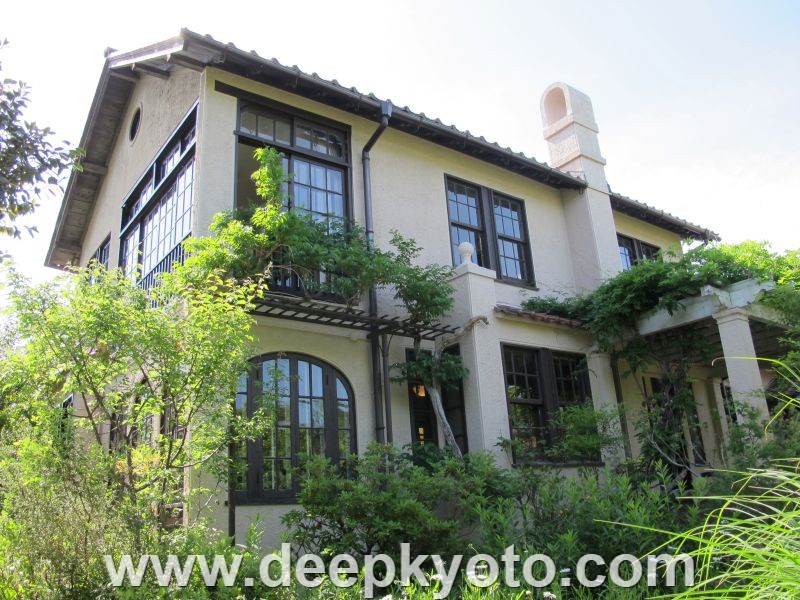
This particular building is located beside the Shirakawa Canal in Sakyo Ward, not far from where I used to live when I first moved to Kyoto — so I get a few warm waves of nostalgia looking at these pictures now. Mewby and I visited the Komai Residence some years ago, but as far as I know the house has been kept in pretty much the same condition since then — and even the entrance fee hasn’t changed!
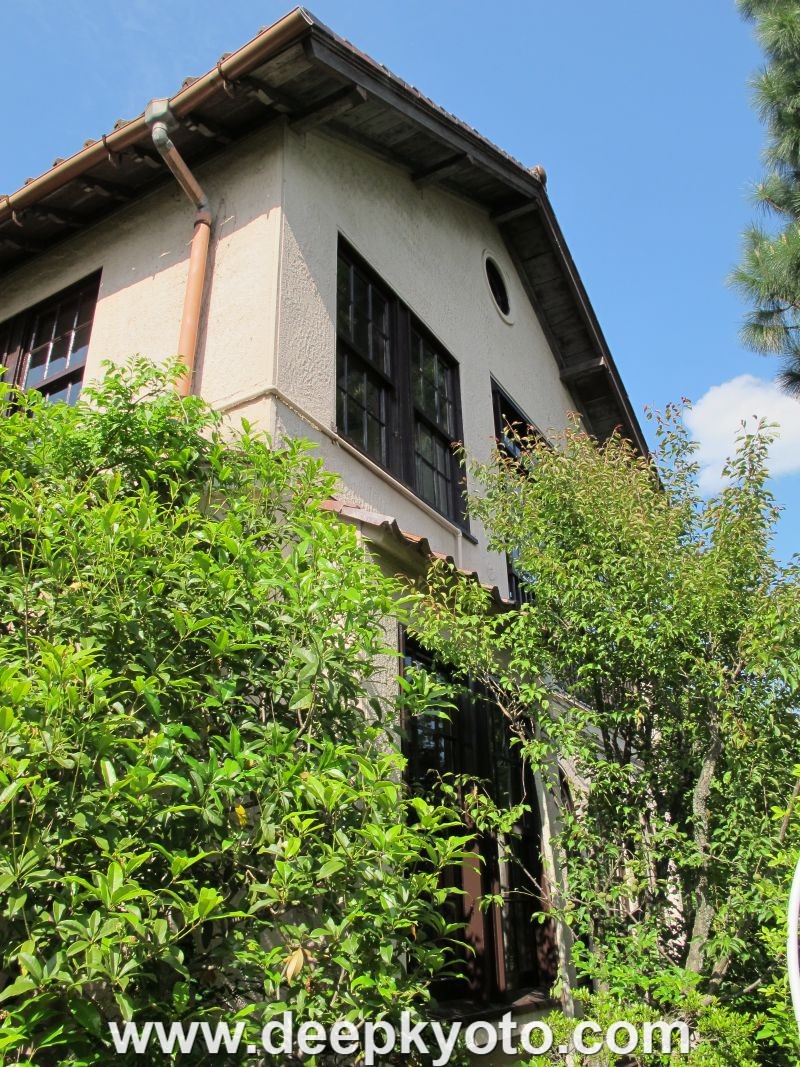
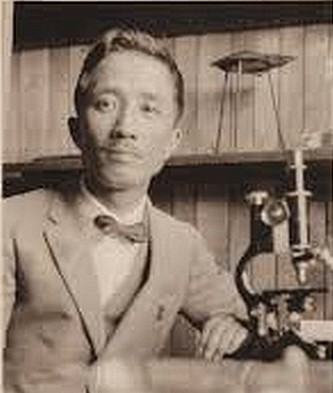
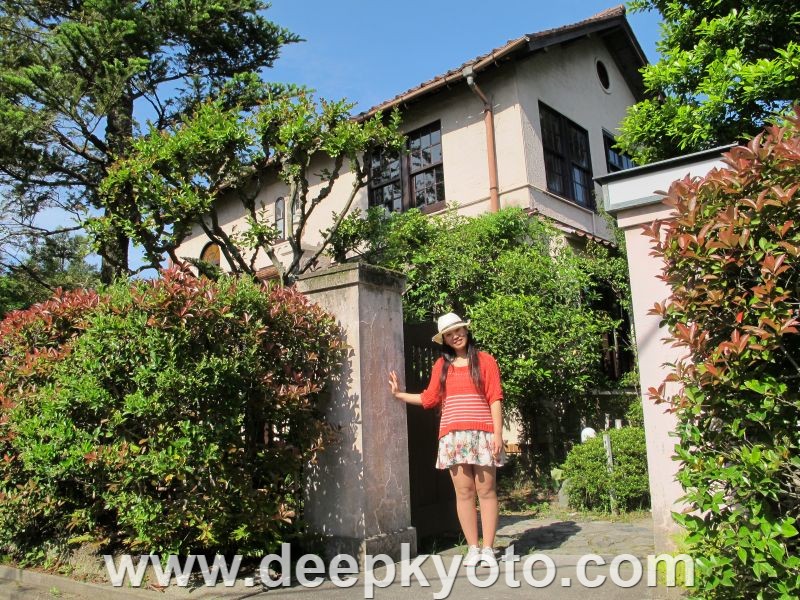
Vories designed this house as a home for Dr. Taku Komai (1886 – 1972), a naturalist and professor at nearby Kyoto University who was known for his genetic research. Dr Komai and his wife Shizue had lived in the US for a couple of years, so maybe that is why he asked Vories to design this Western-style home. The house was completed in 1927.
The Komai family donated the house to Japan’s National Trust in 2002 and since 2004 (I think) it has been open to the public as a museum — albeit with rather limited opening hours, which you can check at the end of this article.
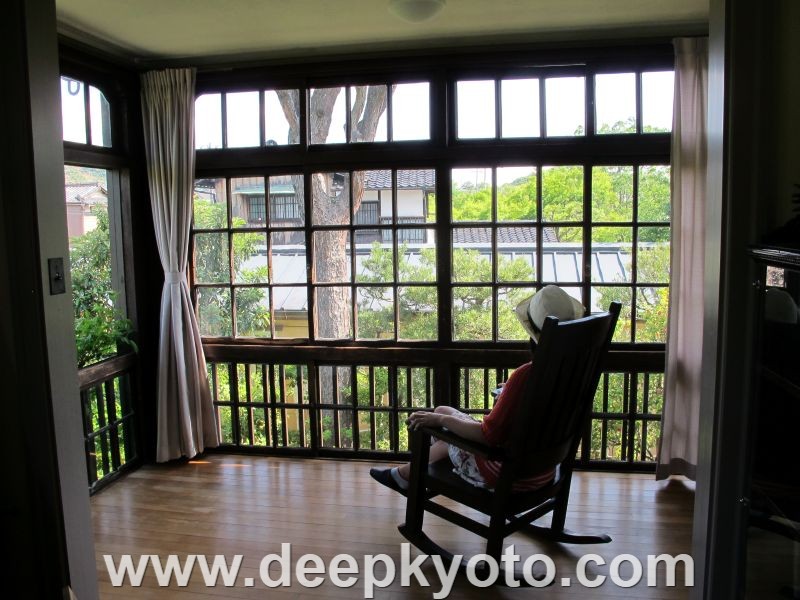
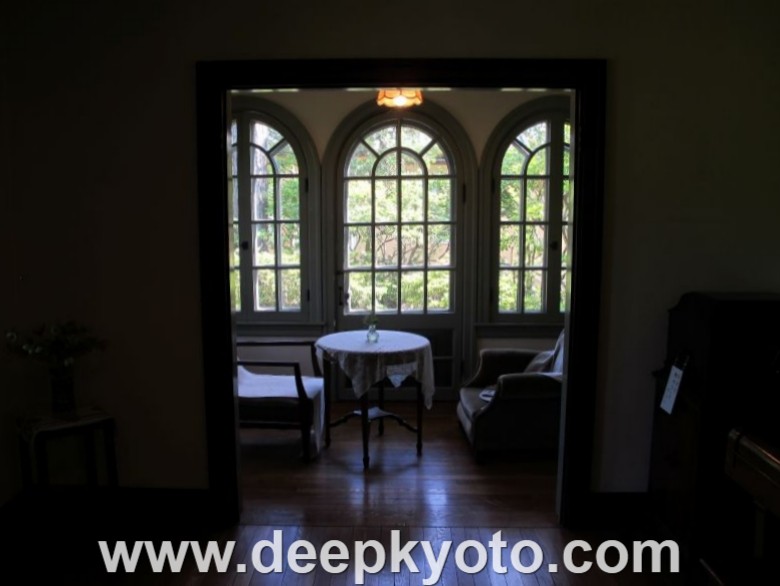
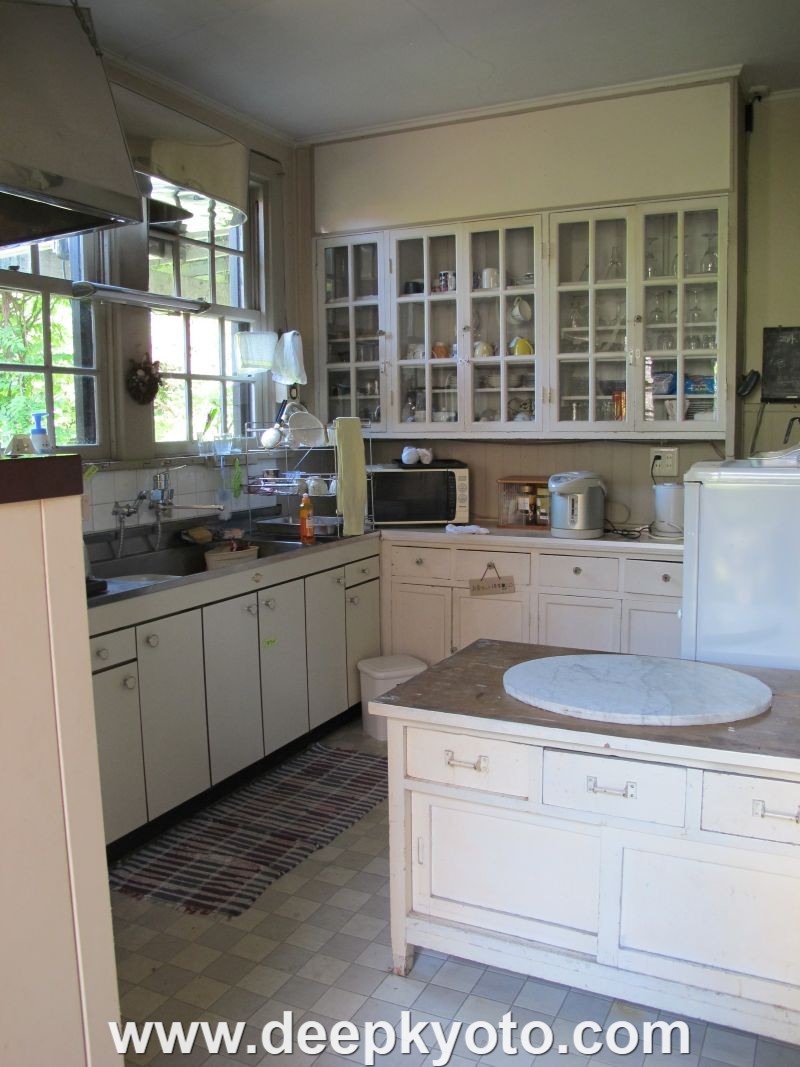
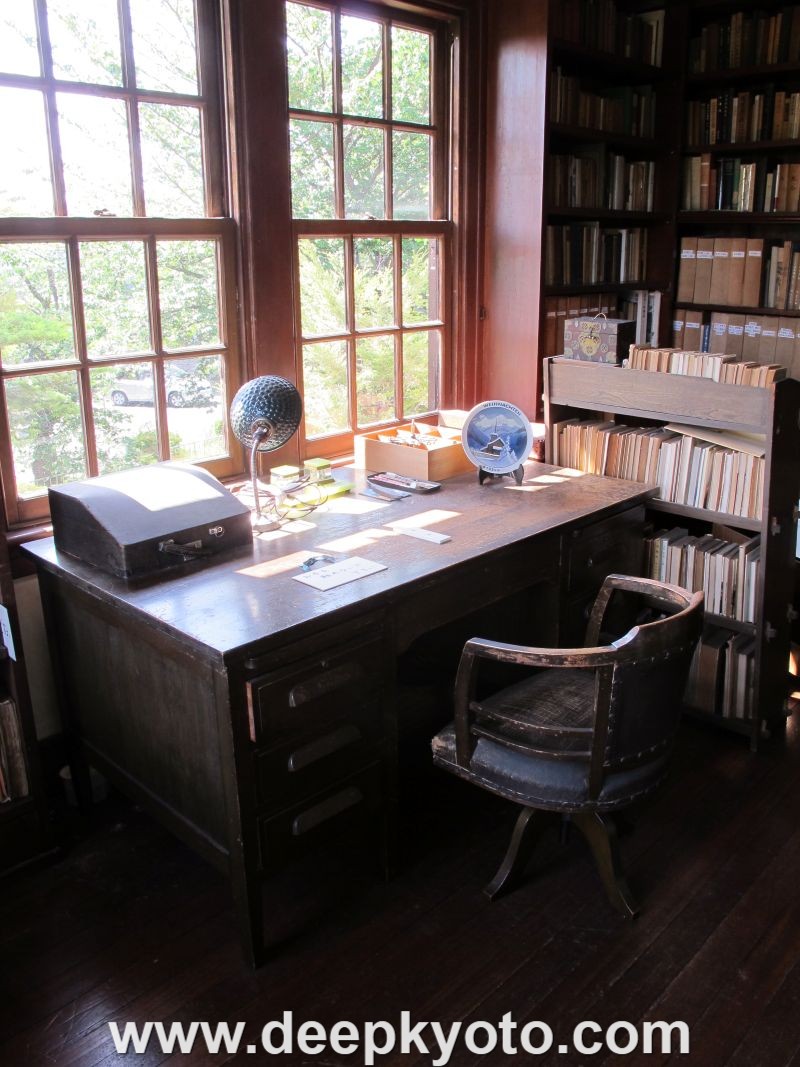
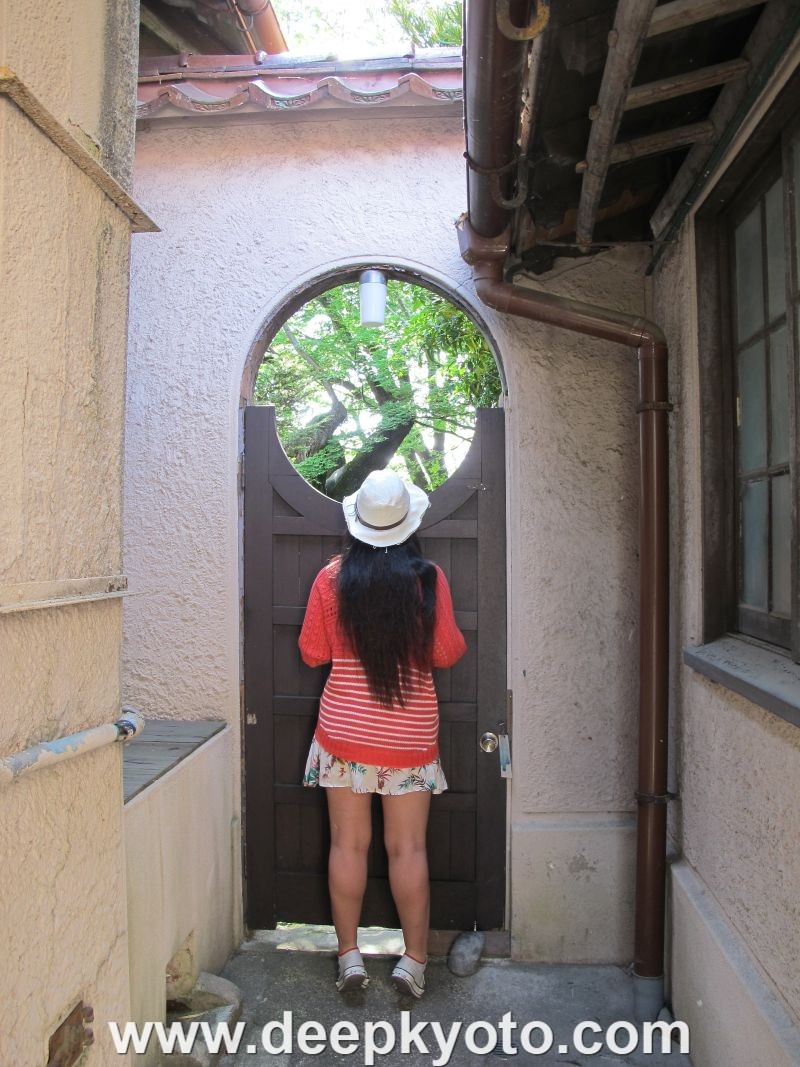
Vories designed the Komai house in a Spanish Mission style, giving it a gabled roof with red tiles. On the ground floor there is a living room, dining room and a Japanese-style tatami room, and upstairs there are bedrooms and a study. On both floors there are sunrooms with large windows and throughout the house there are lots of lovely windows letting in lots of light and giving the interior a wide-open feel. Here are some more images from the interior.
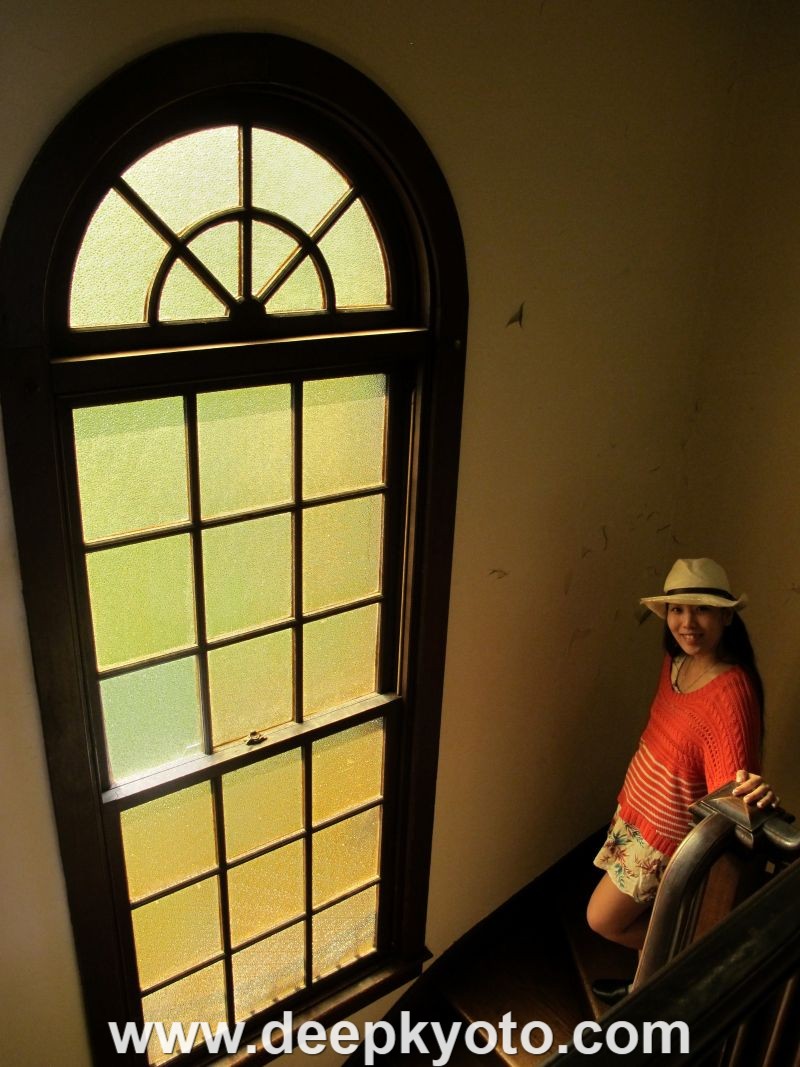
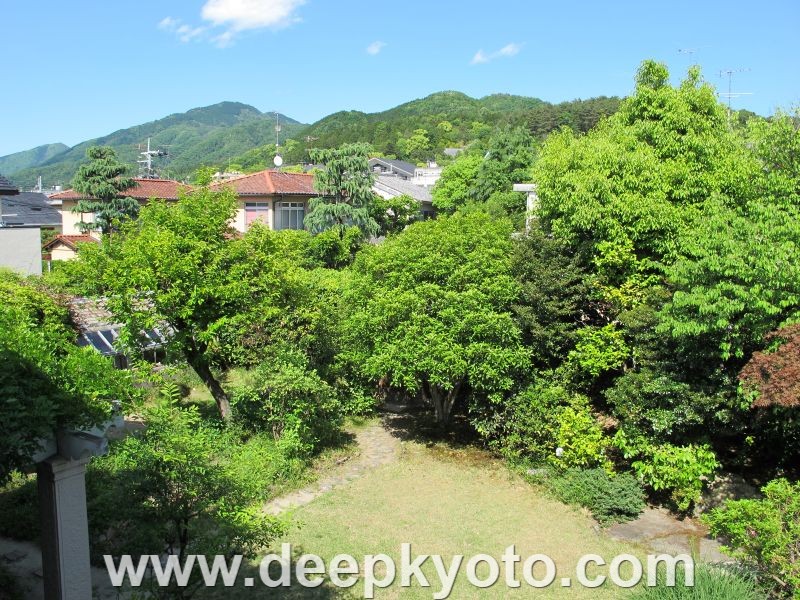
The view from the house over the garden is also quite splendid and takes in the scenery of the surrounding mountains.
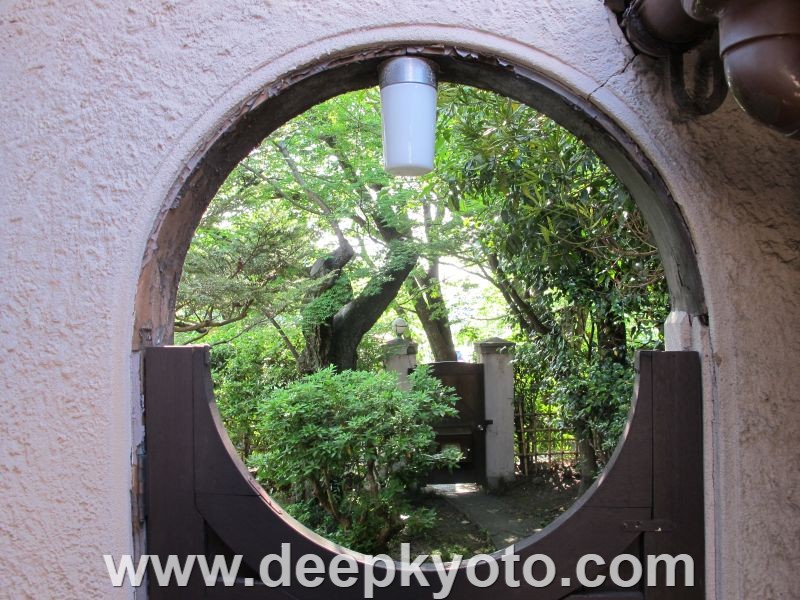
The garden too is lovely — a western-style lawn garden with lots of trees.
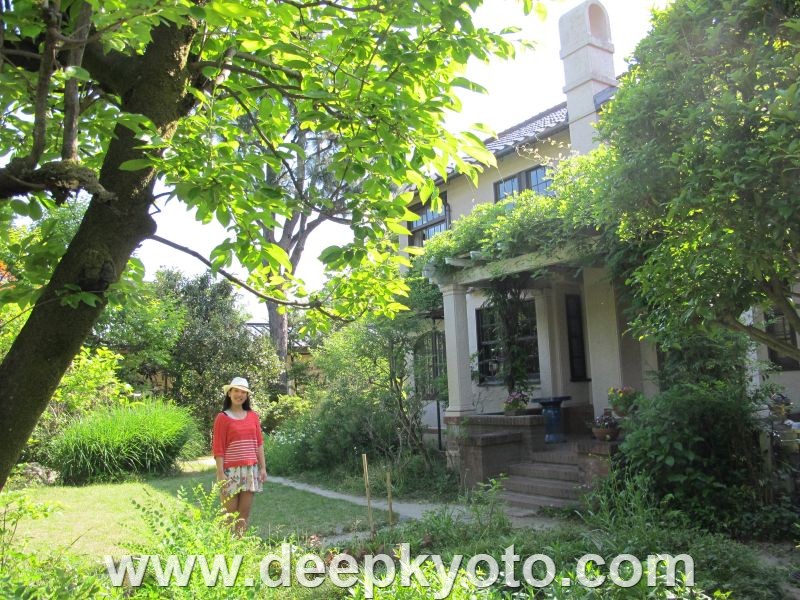
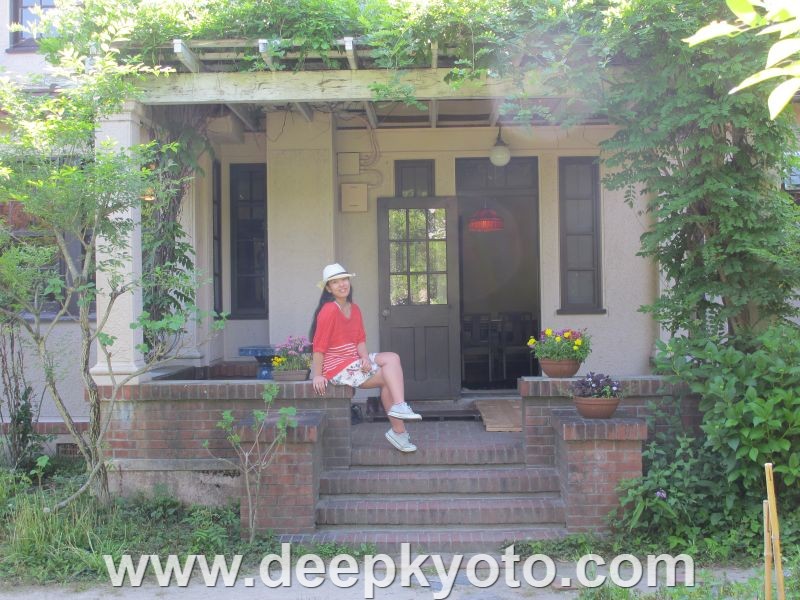
All in all, the house is an excellent example of Vories’care and consideration when designing a home for the particular needs and comforts of its residents, with everything laid out practically but also in a way that is very, very pleasing to the eye. There are charming touches everywhere that give the house a personal and homey feel.
Dr. Komai’s Residence is staffed and maintained entirely by volunteers, which might help to explain why it is only open two days a week and closed entirely for long stretches during the summer and winter. Here are the opening details:
Open: Friday and Saturday from 10.00 to 16.00 (No entry after 15.00)
Closed: Sunday – Thursday
Also closed during summer (from the third week of July to the end of August) and winter (from the third week of December to the end of February).
Entrance fees:
Adults: 500 yen
Junior and Senior High School Students: 200 yen
Elementary School Students and Younger: Free when a companied by an adult.
Disabled (with certificate): Free (includes one caregiver)
Address: 64 Kitashirakawa Ioricho, Sakyo Ward, Kyoto, 606-8256
Here is a MAP showing the location of Dr. Komai’s Residence.
More details can be found on the official Japan National Trust webpage.
We very much enjoyed our visit, wandering through the house and garden and imagining the lovely life Taku and Shizue Komai must have enjoyed there in dear-old north Kyoto! Many thanks to the good volunteers who continue to keep this house alive!
Full text and all original images by Michael Lambe. All rights reserved. Photograph of Dr. Komai in Public Domain.
See also:
William Merrell Vories – A 50th Anniversary Memorial Tour in Ōmi Hachiman
Donald Keene on Kyoto: Then & Now



Leave a Reply