As today is 成人の日 (“seijin no hi” or “Coming of Age Day“) it seems timely to post Ian Ropke’s article on the kimono. First though here is a picture of some brand new adults sporting their kimono’s for the day, and one other of a lady I spotted at Ebisu shrine.


Ian writes…
An industry caught in time
An enduring and potent symbol of traditional Japan, the kimono is caught in time. Caught somewhere between being an out and out artefact and an as yet necessary stage prop or costume for rare occasions. Until the Second World War, well over 90% of Japanese women wore kimono on a daily basis. Today, you might say the kimono is history for most women. Depending on age and generation, a woman may wear a kimono anywhere from once a year to a few times a year. Designed, dyed and woven with care, and made of silk (and fine cottons), a finished kimono is at once a uniquely personal item, and a piece of craftsmanship and sophisticated beauty that in some way or another involved many people working in an age old tradition. Yet for all that they are not used more than a few times. The rest of the time they hang in the shadows of closets or folded up in boxes or drawers. Though indispensable to Japanese women, once or twice a year, as a tuxedo might be in the west, they are expensive possessions. A good kimono starts from around 200,000 yen. Not surprisingly in recent years kimono rental has become the preference among practical, modern young women.
Kyoto’s Muromachi area has been Japan’s premier kimono-related design and wholesale area since the 16th and 17th century. However, during the last century, Muromachi has had to increasingly adapt to the growing popularity of Western clothing. Long gone are the days when kimono and obi sales networks extended throughout the land in an empire of shops and door to door services. Today, a full 40% of the Muromachi area’s revenue is related to Western clothing. Accessories such a bags, jewelry and other high quality design items make up a considerable portion of the remaining 60%. Attempts to revitalize the traditional kimono industry by creating modern fashion designs based on traditional materials and designs have largely failed. The cost alone for daily clothing made with new kimono quality fabric prevents the industry from making a total transformation. Since the mid ’80s steep rise in the yen, export potential has also vanished for such products. Overall, the future of the traditional high-quality kimono industry is haunted with a sense of darkening uncertainty as times change and people with them. And yet, here and there the lights remain on, as the passions of individuals and old traditional ways of life fuel the continued existence and the possible transformation and resurgence of things that are great and should never be lost. A handful of designers have carved out a niche for themselves in the ethnic clothing market and have tried to remain faithful to the past in the present.
 Photographs by Michael Lambe. Text by Ian Ropke. All rights reserved.
Ian Ropke is the author of the Historical Dictionary of Osaka and Kyoto, editor of Kyoto Visitors Guide, and director of Your Japan Private Tours. You can read his previous articles for Deep Kyoto here.
The sections below contain affiliate links. The owner of this website may earn a commission from qualifying purchases.
Vintage Kimono
Vintage Japanese kimono are made from 100% pure silk and are usually custom-made, often for a special event or celebration. In many cases, they’re only worn once, which means these beautiful, one-of-a-kind pieces are in almost perfect condition, and can be bought at a much lower price than when they were first made. Each vintage kimono is totally unique and shows the incredible craftsmanship and creativity of traditional Japanese design. For sizes more details on each product, please click through to the links.
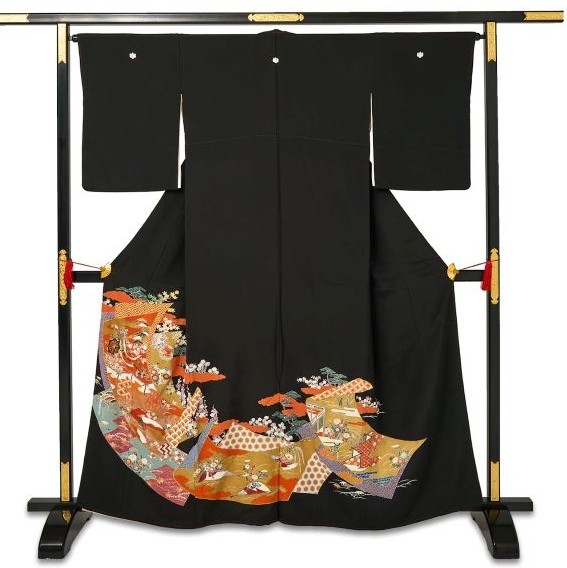 Women’s Vintage Koen Silk Japanese Kimono Women’s Vintage Koen Silk Japanese Kimono$310.49 USD |
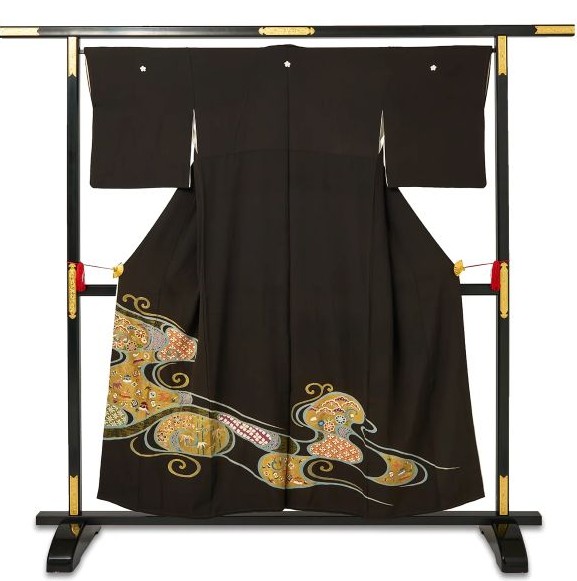 Women’s Vintage Nagare Silk Japanese Kimono Women’s Vintage Nagare Silk Japanese Kimono$310.49 USD |
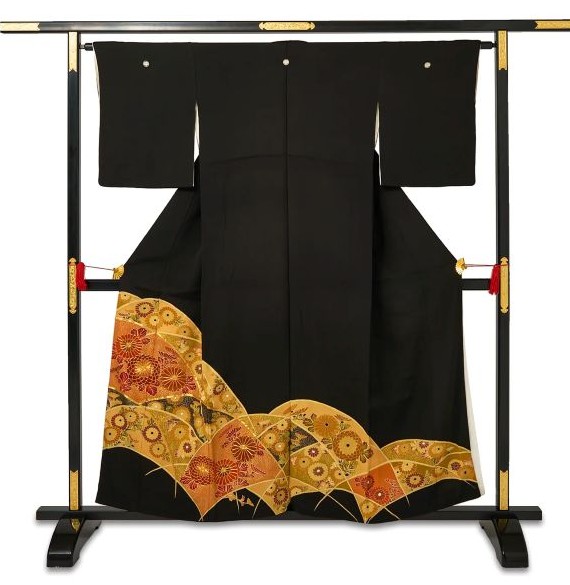 Women’s Vintage Black Kiku Silk Japanese Kimono Women’s Vintage Black Kiku Silk Japanese Kimono$310.49 USD |
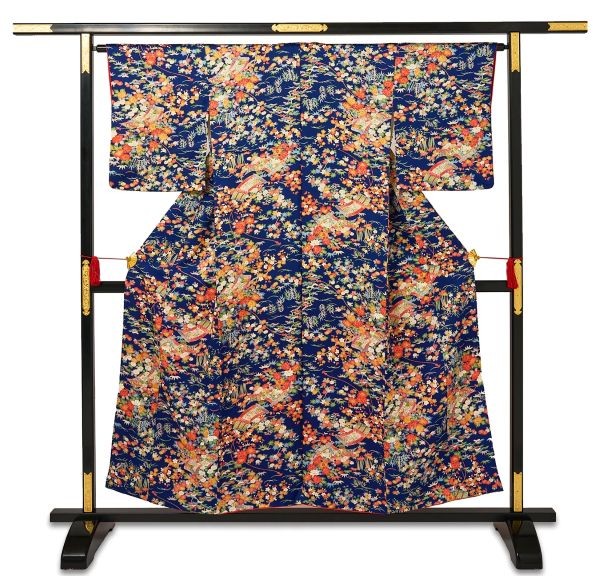 Women’s Vintage Yugure Silk Japanese Kimono Women’s Vintage Yugure Silk Japanese Kimono$252.99 USD |
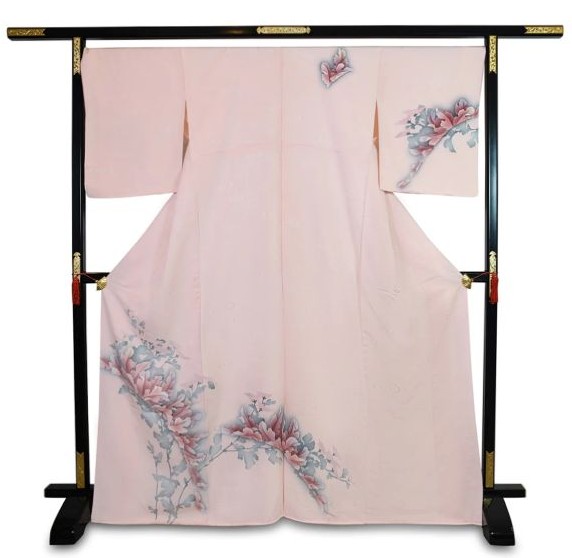 Vintage Silk Botan Japanese Kimono Vintage Silk Botan Japanese Kimono$241.49 USD |
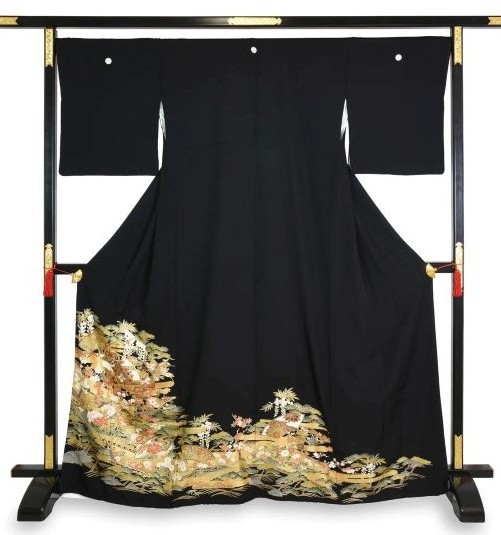 Vintage Silk Garden Black Kimono Vintage Silk Garden Black Kimono$241.49 USD |
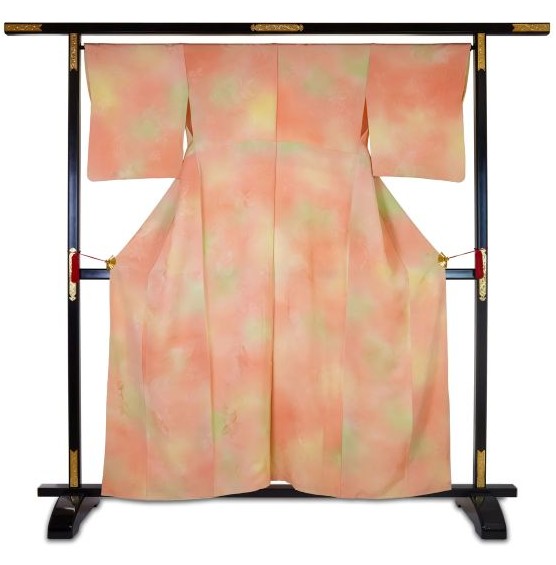 Vintage Silk Momo Japanese Kimono Vintage Silk Momo Japanese Kimono$241.49 USD |
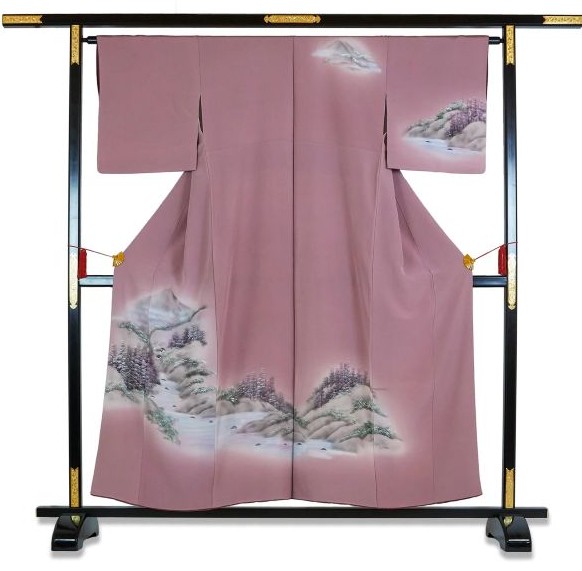 Vintage Silk Forest Kimono Vintage Silk Forest Kimono$333.49 USD |
To view more vintage silk kimono, cotton kimono, yukata, vintage obi belts, haori jackets, footwear, kimono accessories, hair accessories and traditional menswear please visit the Japan Objects store.
Learn more
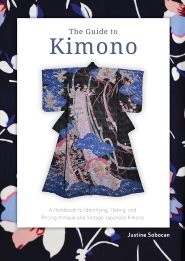 The Guide to Kimono The Guide to Kimonoby Amazon.com Amazon.co.jp |
 Kimono: Fashioning Culture Kimono: Fashioning Cultureby Liza Dalby Amazon.com Amazon.co.jp |
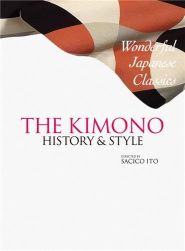 The Kimono: History and Style The Kimono: History and Styleby Sacico Ito Amazon.com Amazon.co.jp |
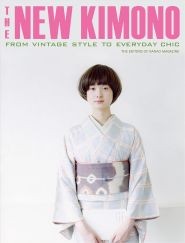 The New Kimono The New Kimonoby Nanao Magazine Amazon.com Amazon.co.jp |
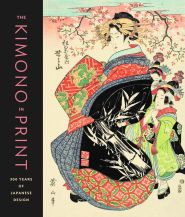 The Kimono in Print The Kimono in Printby Vivian Li Amazon.com Amazon.co.jp |
 Kimono Design Kimono Designby Keiko Nitanai Amazon.com Amazon.co.jp |
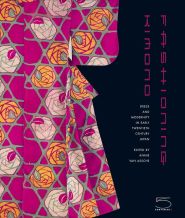 Fashioning Kimono Fashioning Kimonoby Annie M. Van Assche Amazon.com Amazon.co.jp |
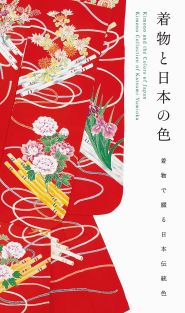 Kimono and the Colors of Japan Kimono and the Colors of Japanby PIE International Amazon.com Amazon.co.jp |



Leave a Reply