John Dougill writes... Charlie Chaplin loved it, and so have thousands of others. The Kamogawa Odori is simply irresistible and a rare chance to see geisha perform in public. It helps make May the merriest month of the year. Kyoto has five geisha areas in all, popularly known as 'hanamachi' or flower districts. Gion is the biggest and best-known; Pontocho which stages … [Read more...] about Geisha Dance: Kamogawa Odori
Culture & Tradition
Introducing John Dougill

I am very happy to welcome a new regular contributor to Deep Kyoto: Mr. John Dougill. Born in Yorkshire, John Dougill first came to Japan in 1986 and to Kyoto in 1994. He has taught in several universities but is now happily employed at Kyoto’s Ryukoku University as professor of British Studies. His fascinating book Kyoto: A Cultural History makes his love for the city … [Read more...] about Introducing John Dougill
Japanese Noh Theatre
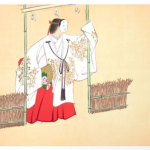
Performances for the Gods Ian Ropke writes... Japanese Noh theatre is one of the oldest dramatic forms in world. The early developments of Noh lie in the festive entertainment of various kinds (dance, simple plays) performed at temples and shrines in the 12th and 13th centuries. Noh drama for much of its history was favored by the samurai, priest and aristocratic … [Read more...] about Japanese Noh Theatre
Cherry Blossoms at Heian Jingu
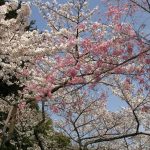
One of the best books you can read about Kyoto is a novel by Yasunari Kawabata: The Old Capital. It is both a great story, and a wonderful guide to the city and its seasonal traditions. One of the most famous scenes in that book is in the gardens of Heian Jingu when the characters Chieko and Shin'ichi go to see the cherry blossoms. I visited Heian Jingu yesterday to see these … [Read more...] about Cherry Blossoms at Heian Jingu
京町家の再生 – Machiya Revival in Kyoto
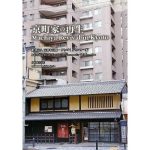
I've just finished reading this fine little book about the machiya (町家) of Kyoto. Machiya are the traditional narrow wooden townhouses of the old capital. Once, their tiled roofs and wooden lattice fronts typified Kyoto’s urban landscape. However, since the end of WW2 this traditional landscape has in large part been replaced by high rise buildings and parking lots. 13% of … [Read more...] about 京町家の再生 – Machiya Revival in Kyoto
Tengu
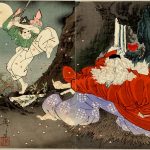
Ian Ropke writes: The mountains throughout Japan are home to a very long-nosed creature known as a tengu or mountain goblin. The origins of tengu are not very clear. They can be found in both Shinto and Buddhist texts. Some scholars trace the origin of the tengu to one of the primary gods of Shinto: Susano-o, who shares many of the characteristics for which tengu are feared … [Read more...] about Tengu
Kyoto: A Cultural History
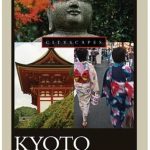
Disclosure: Links in this article to Amazon or Amazon Japan are affiliate links. The owner of this website may earn a commission from qualifying purchases. In the movie “Lost in Translation”, the character of Charlotte (played by Scarlett Johansson) takes a day trip alone to Kyoto. As she wanders through a temple and a shrine her sense of being lost in this alien land is … [Read more...] about Kyoto: A Cultural History
Kimono Old & New
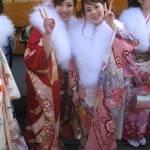
As today is 成人の日 ("seijin no hi" or "Coming of Age Day") it seems timely to post Ian Ropke's article on the kimono. First though here is a picture of some brand new adults sporting their kimono's for the day, and one other of a lady I spotted at Ebisu shrine. Ian writes... An industry caught in time An enduring and potent symbol of traditional Japan, the kimono is … [Read more...] about Kimono Old & New
An Interview with Mara Alper

To celebrate the 400th anniversary of ties between Mexico and Japan the Kampo Museum is currently exhibiting the art and crafts of the indigenous Huichol people. Dominating the exhibition are the extraordinary peyote inspired yarn paintings of the late Huichol artist and shaman José Benitez Sanchez. On the 24th of January, Professor Mara Alper, award winning media artist and … [Read more...] about An Interview with Mara Alper
Garden Stones & Superstition
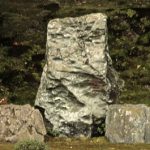
Ian Ropke writes: Stones are, believe it or not, the most important feature of a Japanese garden. If the soil is its "flesh", then the stones are its "bones". Garden stones fall into three basic categories: "named" stones, unimportant "unnamed" stones, and stones which already existed on the site. The most famous named stone in Japan is called Fujito after the … [Read more...] about Garden Stones & Superstition
Mount Hiei’s Marathon Monks
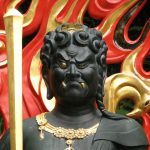
Ian Ropke writes... The world of Buddhism is full of stories of amazing human feats achieved through meditation and power of the mind. In Tibet there are especially powerful monks who travel so fast that they appear to fly; they can travel non-stop for 48 hours and cover over 320 km a day! There are also stories of diamond-like crystalline substances found amongst the ashes … [Read more...] about Mount Hiei’s Marathon Monks